Farafina Roots & Wings Worldschooling
Learning that grows from roots — and gives wings to the world.
Farafina Roots & Wings is a Worldschooling initiative that creates transformative learning hubs across Africa. We bring children, families, and local communities together to learn through experience, culture, nature, and connection — the way learning has always happened in traditional African societies.
At Farafina Roots & Wings, we believe learning is woven into life itself. It lives in stories, in nature, in communities, in movement, in culture, in meaningful encounters, and in the curiosity that flows naturally from children.
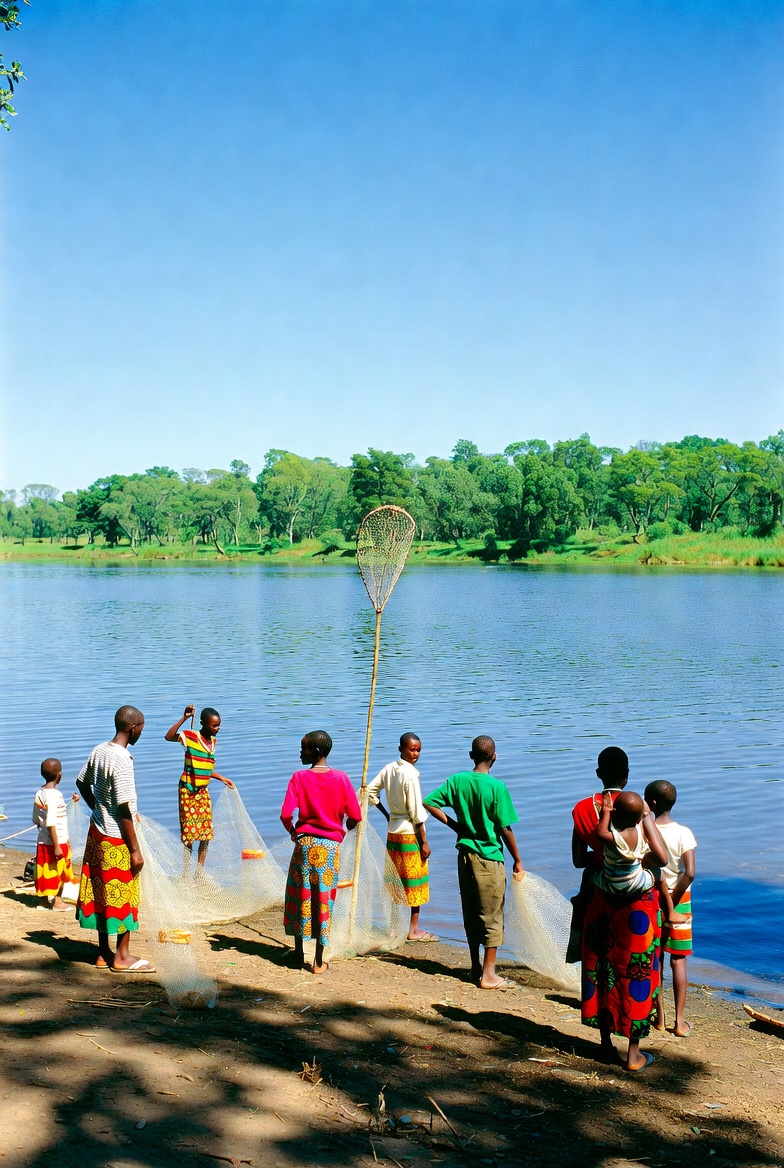
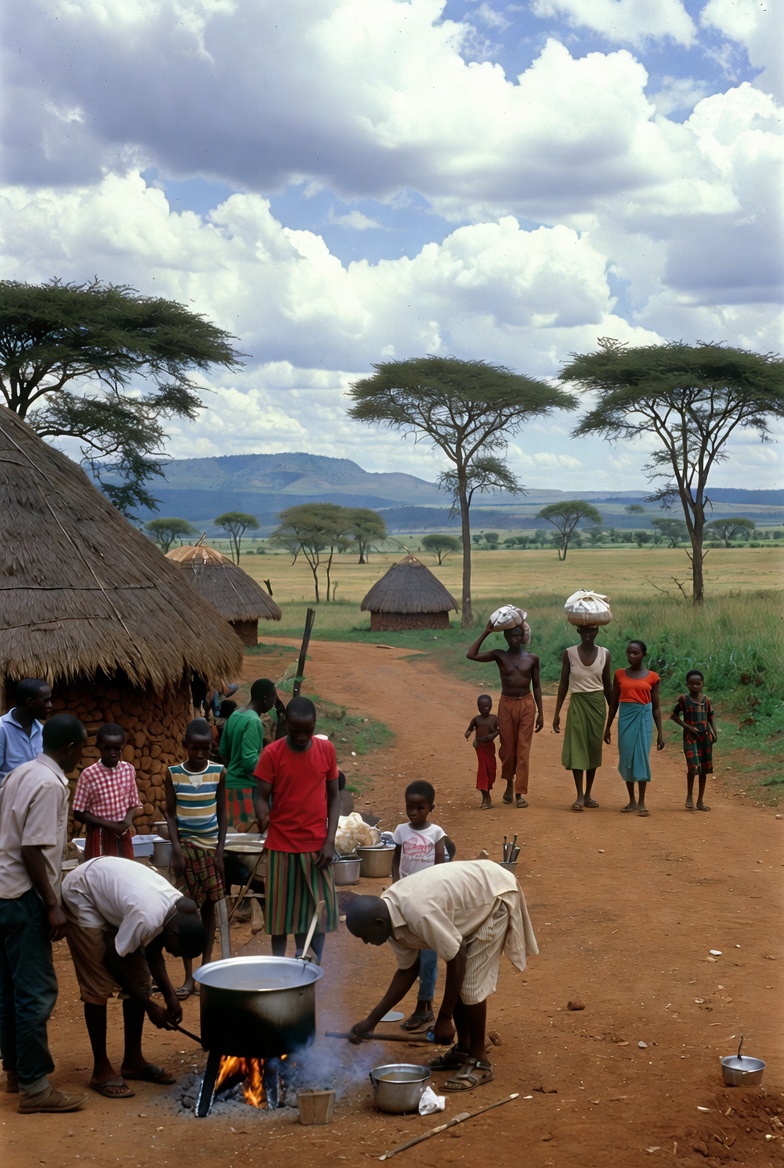
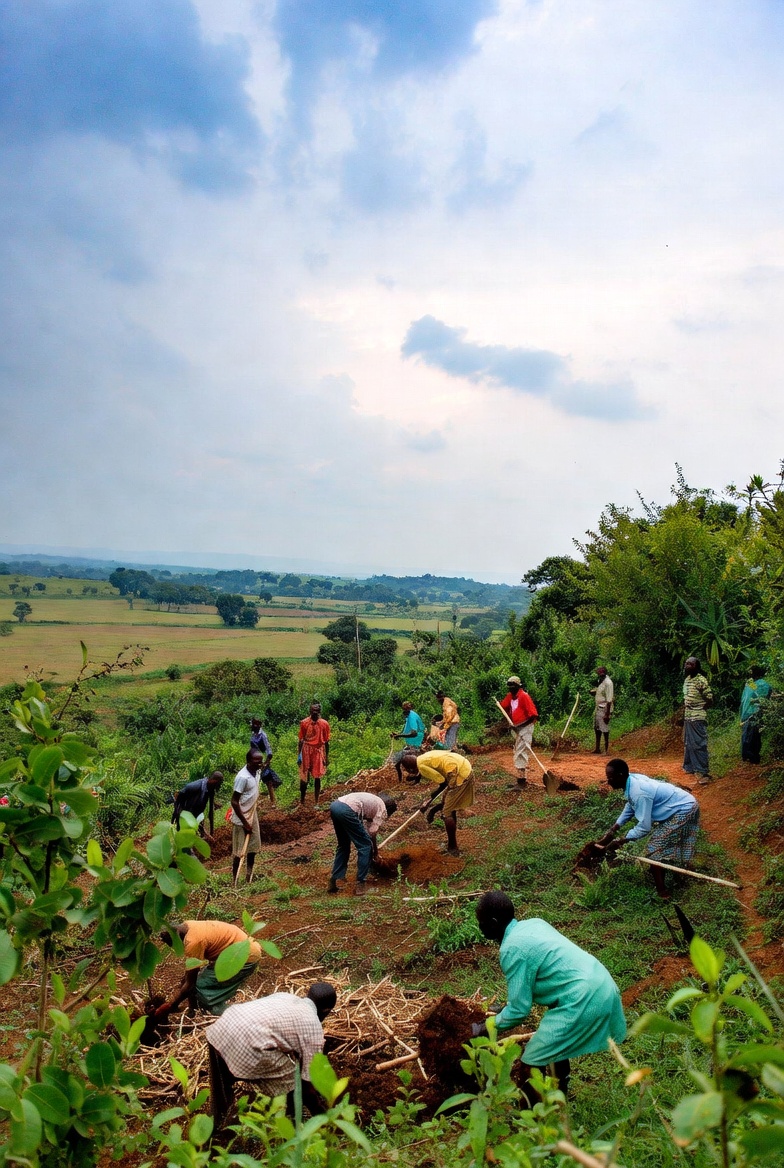
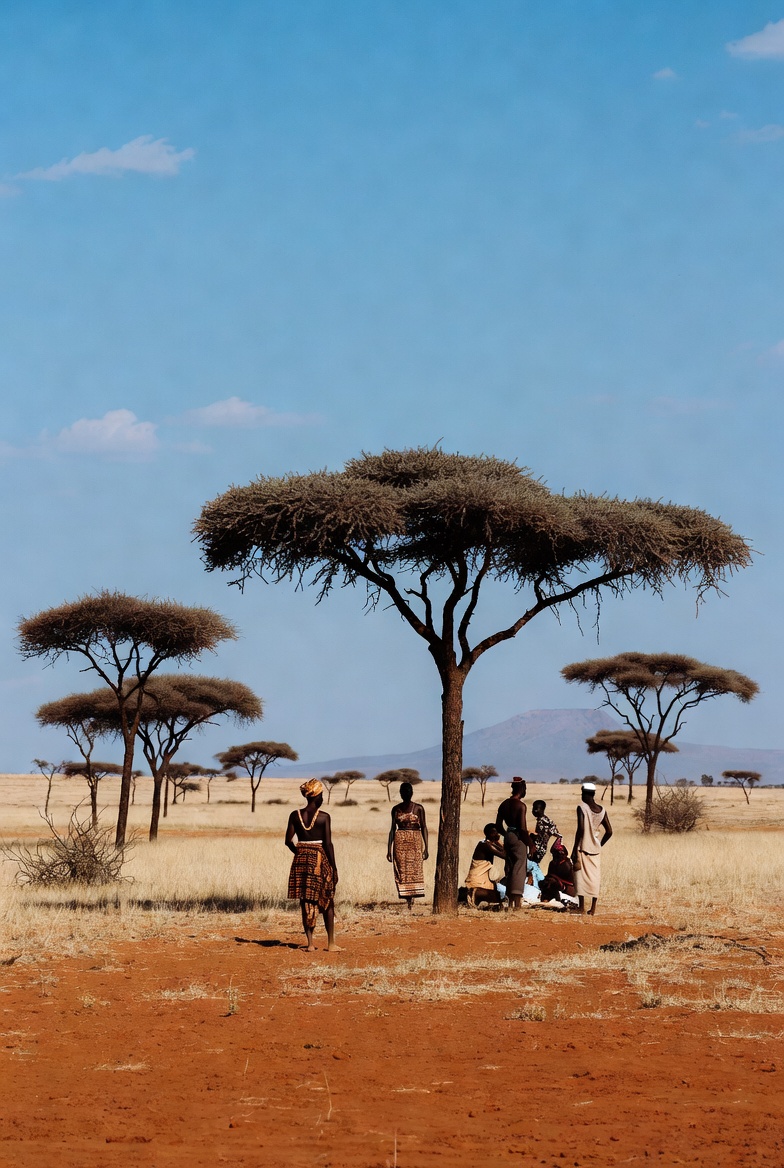
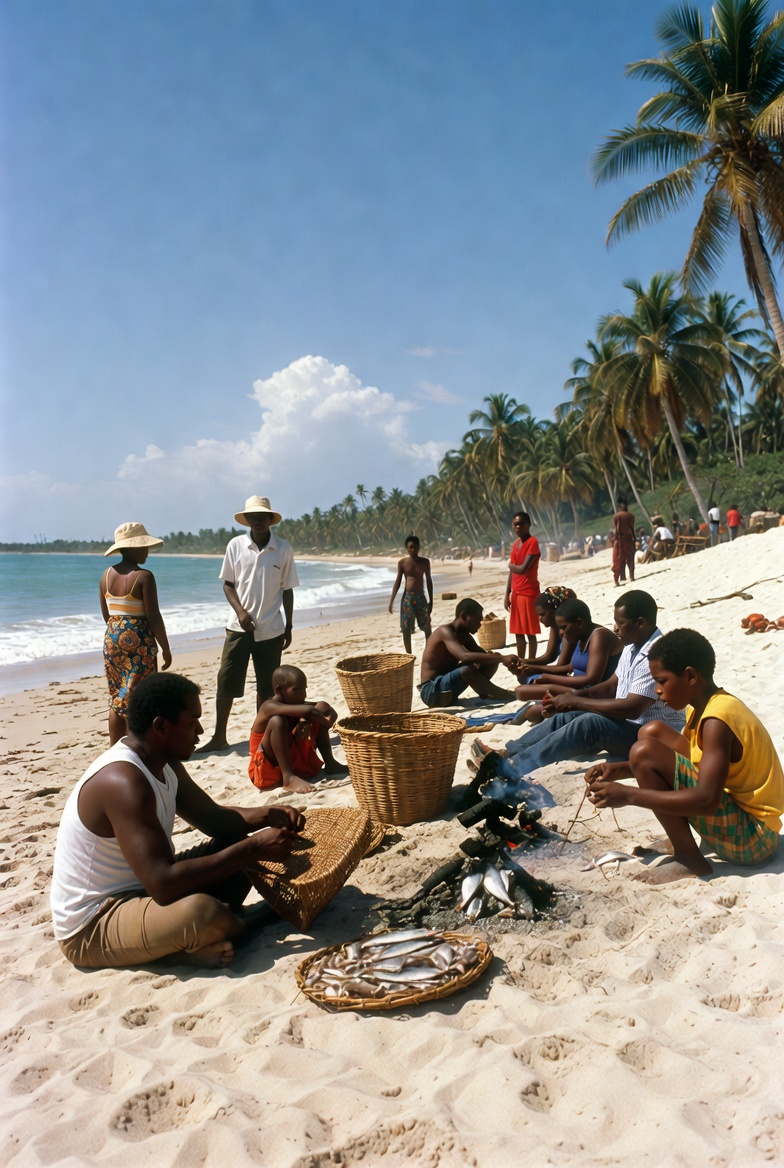
In our worldschool hubs, learning takes place not in classrooms, but in villages, farms, lakeshores, art studios, markets, mountains, and storytelling circles. Children and families learn by being part of life — observing, participating, listening, co-creating, and connecting with people, land, and culture.
We believe that Africa is not only a destination — it is a teacher. A teacher of community, resilience, creativity, and humanity.
Farafina Roots & Wings
Worldschooling and African Traditions of Learning
Worldschooling resonates strongly with traditional African ways of education, which for centuries have emphasized learning through life, interaction, storytelling, and community participation rather than through rigid classroom structures. In many African societies, children traditionally gained knowledge by:
- Learning from elders and peers through oral traditions, storytelling, and apprenticeship.
- Participating in community life — taking part in farming, herding, trading, and rituals as integral aspects of their education.
- Engaging with the natural environment to understand plants, animals, weather, and survival skills.
- Experiencing values and ethics in practice, transmitted through collective living and communal responsibilities.
Learning was lived, not taught. Knowledge was not something to memorize — it was something to experience. This holistic approach ensured that education was not separated from life, but rather woven into it.
Our Principles
Worldschooling builds on these same principles, yet adapts them to today’s global context. Instead of focusing only on the local community, it connects learners across cultures and continents. By combining experiential, community-based learning with the opportunities of international exchange, worldschooling responds to the needs of the 21st century: helping young people become global citizens while still honoring the wisdom of traditional, place-based learning.
Our Worldschooling Hubs build on Africa’s own rich traditions of learning — relational, experiential, communal, and rooted in everyday life. Rather than introducing something new, we are honouring what has always been here, while opening space for global exchange.
What We Believe

Learning is natural
Children are naturally curious, observant, and capable. They do not need to be filled with knowledge — they need spaces where knowledge comes alive through experience.
Learning is relational
We learn best through connection — with people, land, culture, and ourselves. Every person — farmer, elder, artist, child, traveler — is both a learner and a teacher.
Learning is place-based
Each place offers its own learning: its history, plants, people, languages, rhythms, stories, challenges, and wisdom. Africa is a living classroom.
Learning is community
In African traditions, a child does not belong only to a family, but to the village. Learning is shared, enriched by intergenerational dialogue and collective wisdom.
Learning is identity, belonging, and purpose
Knowing who we are and where we come from gives us the confidence to connect, create, and contribute to the world.
How We Bring This to Life
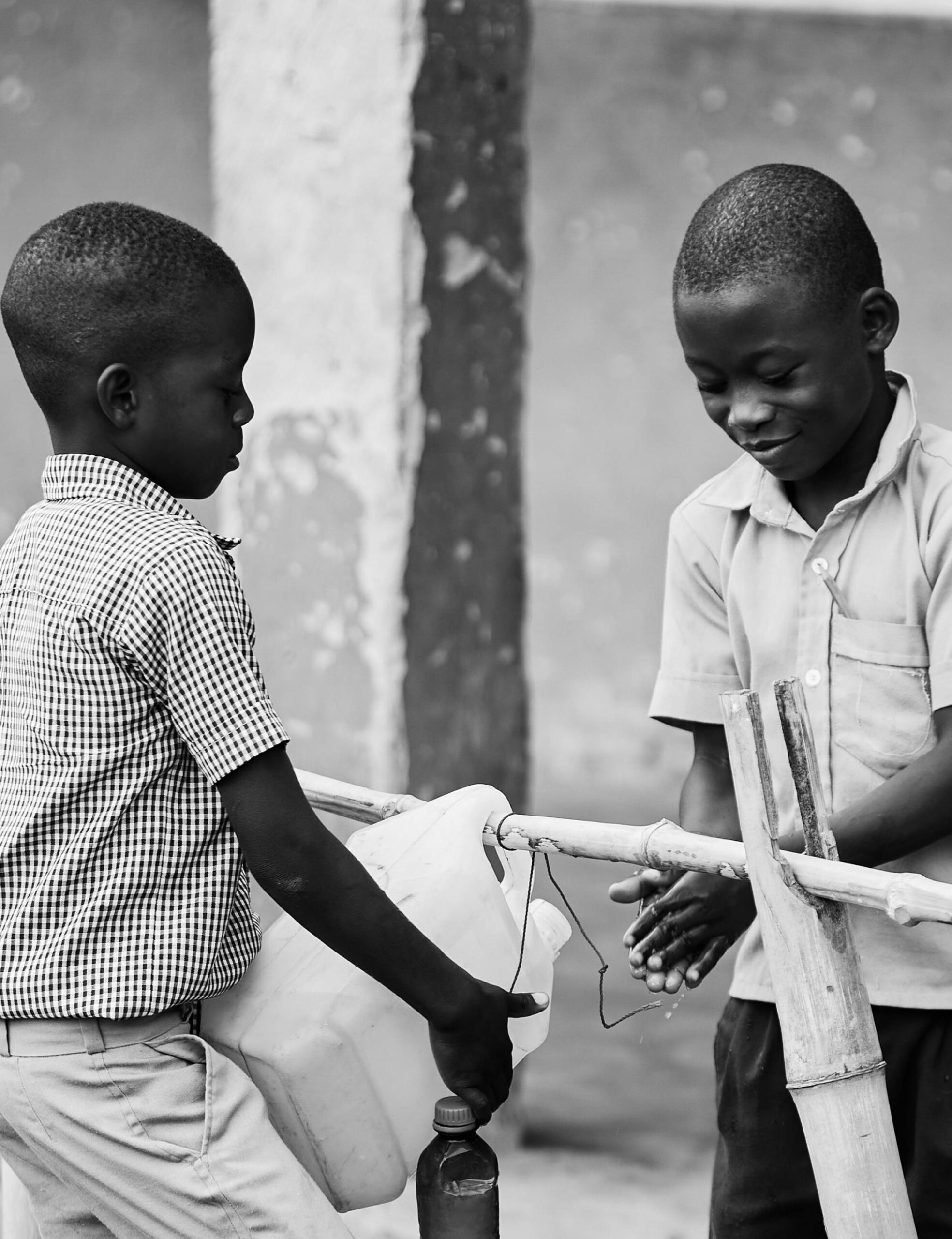
Our hubs are designed as living learning environments, where education unfolds through nature, culture, community, and connection.
Nature and Place as the Classroom
Lakes, forests, farmland, mountains, rivers, and wildlife habitats are not just places to visit — they become the classroom. Each hub is deeply rooted in the local ecological, cultural, and social landscape, allowing learning to grow naturally from the environment and its people.
Culture-Rich and Creative
Children and families learn through art, storytelling, crafts, language, music, dance, food traditions, and cultural exchange. Local artisans, elders, and community members serve as facilitators, sharing skills and wisdom passed down through generations.
Hands-On, Experience-Driven Learning
Instead of learning about life, children learn through living. They build, grow, cook, observe, explore, create, and participate — using hands, heart, and mind. Learning is active, sensory, and meaningful.
Community and Dialogue-Based
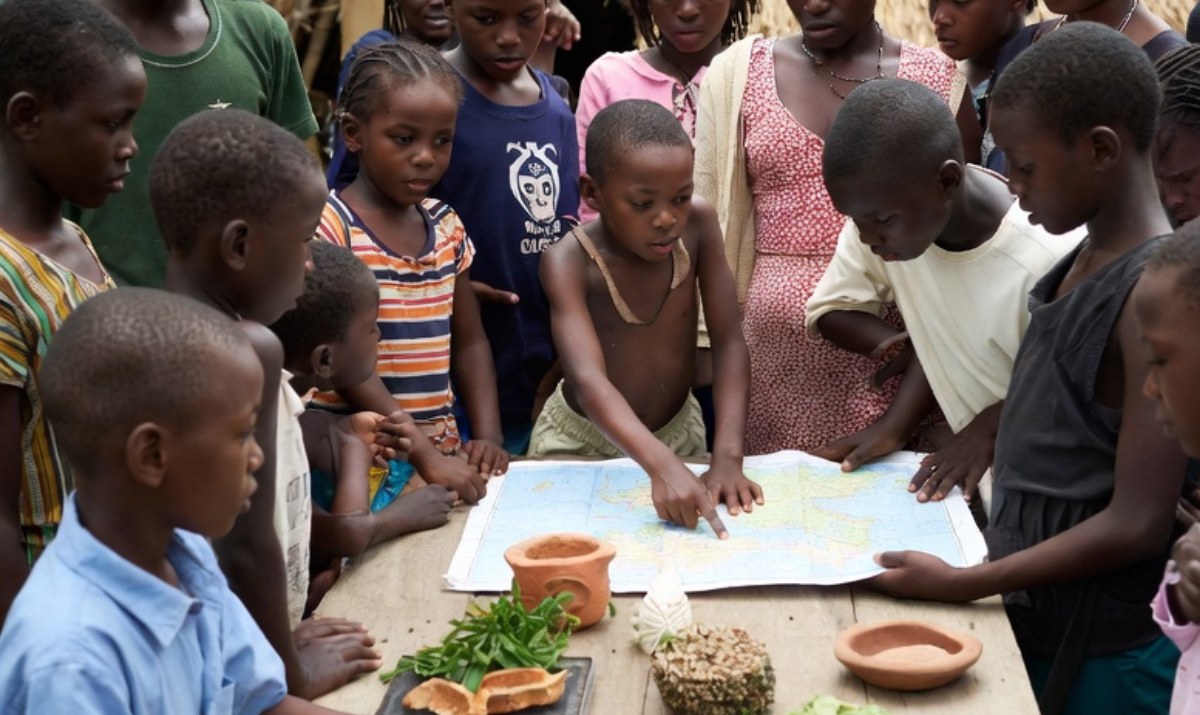
Knowledge grows through shared meals, storytelling evenings, reflection circles, problem-solving, and conversations with local families, leaders, and youth. These moments help children connect deeply, ask questions, and understand different perspectives.
Intergenerational & Community-Led
Learning involves elders, youth, families, artisans, and nature guides — recognizing that knowledge lives in people, places, and experiences, not only in books or classrooms. Children learn side-by-side with adults, valuing collective wisdom.
Globally Connected — Rooted in Africa
While grounded in local knowledge, our hubs foster global awareness, empathy, cultural intelligence, and social responsibility. Children learn to value where they come from — and understand the wider world with curiosity, humility, and openness.
How It Works
Families join a ca. 3 week Worldschool Hub in a selected African community. Each week follows a learning theme — such as identity, community, culture, nature, economy, or sustainability — guided by local experts, storytellers, and community members. Families can also attend individual weeks oft he hub. Some hubs involve learning journeys – road trips that we take as a group to experience different regions or sights of a country and lern along the way.
In our Worldschool Hubs, children (and families) learn through: 🛶 Field trips and hands-on workshops,🏡 Community visits and cultural immersion,🌾 Farming, crafting, cooking, building,🪘 Music, dance, storytelling, and language, 🧠 Reflection circles and group sharing, 🤗 Being part of community life.
The experience is collaborative, safe, slow-paced, and deeply human.
Who Is It For?
Farafina Roots & Wings Worldschooling is for:
-
Families seeking experiential and meaningful travel
-
Worldschoolers, homeschoolers, and unschoolers
-
Anyone who believes that learning is life — and life is learning
-
Educators, facilitators, and conscious global learners
Our Vision
To nurture global citizens with strong roots and open wings — connected to their identity, aware of the world, and inspired to contribute.
Join our Worldschooling Africa – Farafina Roots & Wings Facebook Groups to take part in discussions and receive all updates on our Hubs: